Culture Shock in Children: What It Looks Like and How to Support Them
When families move to a new country, it's a chance for growth. But it can also be tough for kids to adjust. They face new social rules, language, and feelings of stress.
Spotting early signs is key. Look for clinginess, sleep problems, or not wanting to try new things. This helps families help their kids sooner.
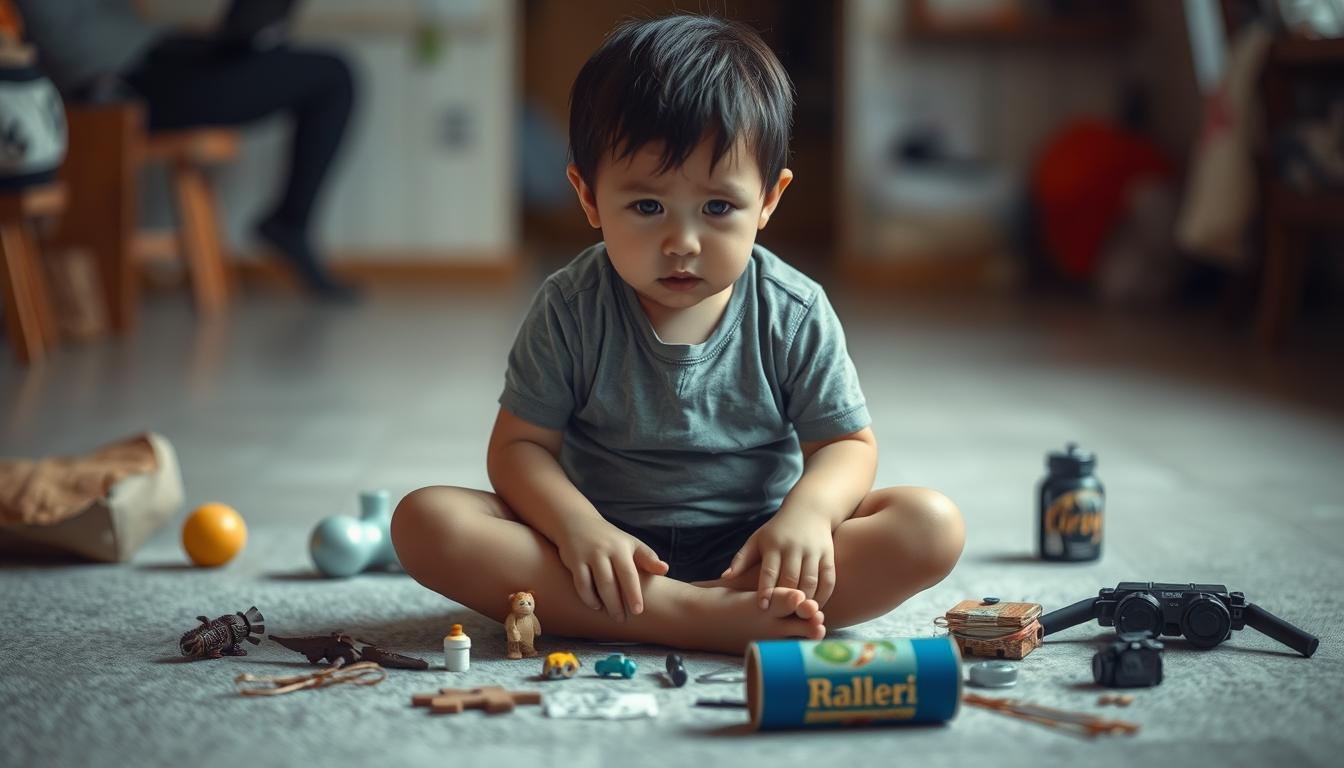
Key Takeaways
- Child relocation adjustment impacts emotional and behavioral well-being in young people.
- Common symptoms include withdrawal, academic struggles, or physical complaints like headaches.
- Supportive strategies ease the transition for children adapting to new environments.
- Understanding cultural adaptation stages guides effective parenting approaches.
- Maintaining cultural ties while building new connections aids long-term well-being.
Understanding Culture Shock in Children
Children going through cultural changes often face emotional upheaval in children that adults might not get. This adjustment phase shakes up their usual routines. It causes stress that changes with age and personality.
“Culture shock destabilizes a child’s emotional foundation, causing reactions that mirror anxiety or defiance,” says Dr. Emily Carter, a child development specialist at London’s Family Wellness Centre.
Culture shock in kids isn't just feeling homesick. It shows up in different ways:
- They might pull back from activities they used to love.
- They can become very clingy to their main caregivers.
- They might have more temper tantrums or cry for no reason.
| Age Group | Emotional Signs | Behavioral Changes |
|---|---|---|
| 4–8 years | Clinginess, frequent nightmares | Regression in toilet training, refusal to speak |
| 9–12 years | Irritability, academic disengagement | Withdrawal from peers, physical complaints like stomachaches |
Spotting these signs early can help avoid long-term distress. Parents and teachers need to watch for changes in sleep, eating, or school work. Talking openly and keeping routines steady are key during this time.
Stages of Culture Shock: From Honeymoon to Acceptance
Children moving to new places go through different stages of adjustment. Psychologist Kalvero Oberg’s 1960 model explains these stages. It shows how kids adapt to new cultures. Knowing these stages helps adults support kids during behavioral changes in transition.
https://www.youtube.com/watch?v=PrbzuV2Paw0
“Culture shock is like a pendulum—swinging between fascination and frustration,” noted Oberg, highlighting the emotional swings children may face during relocation.
Each stage has its own challenges and chances for growth:
Honeymoon Phase
At first, kids are full of curiosity and excitement. They might try new foods, games, or languages eagerly. This short phase is important for their future adaptation.
Frustration and Isolation
When the newness wears off, the differences can feel too much. Kids might become clingy, throw tantrums, or pull back. Schoolwork can also suffer as they face new routines or language barriers.
Adjustment and Acceptance
With time, kids start to mix old and new customs. They might make friends or show interest in local traditions. Small wins, like trying a new sport or doing well in class, show they're getting better.
Knowing these stages helps adults be patient instead of getting frustrated. Small changes, like keeping bedtime routines the same, can help kids adjust better. This builds their resilience.
Identifying Emotional and Behavioral Changes in Kids
When kids move to a new culture, they often change how they feel and act. Look out for clinginess, anger, or losing interest in favorite things. These signs might mean they need help.
- Mood swings: Going from happy to sad quickly
- Withdrawal: Not wanting to be around friends or school
- Physical complaints: Feeling sick without a reason
- Regression: Acting like a younger child again
Teachers and counselors are key in spotting these changes. They see things during school that parents might not. Working together, families and these experts can make plans to help the child.
Talking regularly with teachers can show if a child is struggling in school or feeling left out. Keeping in touch helps everyone work together to support the child's happiness and success.
Navigating Physical Symptoms: When Culture Shock Shows on the Body
Children dealing with culture shock may show physical symptoms of stress. Their bodies react to the emotional pressure. Headaches, stomachaches, or trouble sleeping are signs of hidden struggles, even if they can't say how they feel.

Somatic symptoms happen when stress is too much for a child. Common physical symptoms of stress include:
- Chronic headaches or migraines
- Stomachaches before school or social events
- Unexplained fatigue or lethargy
- Changes in appetite or sleep patterns
Somatic Manifestations of Stress
These physical complaints are real. Stress makes the body think it's in danger, causing things like a faster heart rate or tense muscles. For example, stomachaches might mean a child is worried about fitting in at school.
Parents might think these are small problems, but they need attention. They could affect a child's health long-term.
Doctors suggest keeping track of symptoms and behavior changes. A doctor or therapist can find out if there's a health issue. They can also help find the emotional cause. Early help lets kids connect their physical feelings to their surroundings, building strength without making stress seem like a disease.
Multi-Professional Support Strategies for a Smooth Transition
Moving to a new culture is a big challenge. It needs special strategies for both school and emotional issues. Teachers, counselors, and social workers work together to help kids. They make sure kids feel safe and can adapt well.
Role of Educational Professionals
- Teachers change lessons to include different cultures and help with language.
- School nurses watch over kids' health, both physical and emotional.
- Specialists help families find resources in their new area.
Benefits of Psychological Counseling
- Therapists use play to help kids understand new social rules.
- They teach kids to handle feelings of being out of place.
- Family talks help bridge gaps between different generations.
"Collaborative care models reduce isolation rates by 40% among internationally mobile students." – Department of Education UK Report 2023
Programs in schools like London’s Brent Education Trust show how teamwork helps. Teachers and counselors spot problems early. They keep checking in to make sure plans work for everyone. This way, kids learn to handle challenges for life.
Building a Supportive Environment at Home
Creating stability at home helps kids adjust to new cultures. Parents can strengthen bonds by being involved in daily life. They should also keep heritage alive and mix old and new traditions.
Parental Involvement in the Transition
Open communication is key. Parents should:
- Encourage sharing feelings through regular check-ins
- Attend school meetings to understand progress
- Collaborate with educators to address challenges
Maintaining Cultural Identity
"Cultural continuity acts as an anchor during change," emphasizes Dr. Lena Torres, a UK-based family therapist. "Small rituals keep roots alive while embracing new experiences."
Integrate traditions through:
| Cultural Identity Practices | New Cultural Exploration |
|---|---|
| Celebrate heritage holidays | Join local cultural festivals |
| Share family stories | Try regional cuisine |
| Teach native language basics | Attend community events |
Establishing New Routines
Structure builds confidence. Consider:
- Set consistent bedtime and homework schedules
- Create a "cultural corner" with books or artifacts
- Plan weekly family activities mixing old and new customs
Small daily practices like these support cultural identity maintenance. They help without overwhelming kids.
Integrating into a New Community in the United Kingdom
Building community integration UK is key for kids adjusting to a new place. Getting involved in local activities can help them feel less stressed and more at home. Families can start by checking out neighborhood events, school projects, or cultural festivals.
- Join local sports teams or youth groups like Scouts UK to connect with peers.
- Attend community center workshops for language practice and skill-building.
- Engage with parent networks through school events to build social bonds.
Community centers across the UK have special programs. For instance, local libraries often have activities for families. Schools might work with groups like Citizens UK to help newcomers.
Being active in these places helps kids feel they belong. Good community integration UK practices also boost school performance and emotional well-being. Local councils have lists of family-friendly activities, making it easy to find things to do.
Long-Term Effects of Culture Shock in Children: What to Expect
Children moving to a new culture face challenges. Yet, these experiences can also build lasting strengths. Culture shock may cause initial struggles, but many children grow resilient through learning and emotional growth.

"Adversity, when managed with support, becomes a catalyst for building lifelong coping skills," noted Dr. Emma Thompson, a developmental psychologist at London's Institute for Childhood Studies.
Potential for Resilience and Growth
| Factor | Impact on Resilience |
|---|---|
| Social Support Networks | Enhances adaptability and self-esteem |
| Cultural Identity Retention | Promotes confidence and problem-solving skills |
| Exposure to Diversity | Fosters empathy and global awareness |
- Children may show improved emotional regulation over time.
- Resilience in children often correlates with consistent parental encouragement.
- Long-term outcomes vary, but many children report stronger cross-cultural competencies.
Studies in the UK found 78% of relocated children show more empathy by age 12. Schools like London Global Academy have programs that help. These programs show that support can lead to better outcomes. Families can help by talking openly and celebrating both cultures.
Conclusion
Helping kids through culture shock needs a full approach. This includes emotional, social, and physical support. Schools, families, and experts must work together to make kids feel important.
Psychological counseling is crucial. It teaches kids to cope with new situations. This way, they can adapt while keeping their cultural identity.
In the UK, schools and communities help a lot. They make it easier for kids to adjust. Keeping ties to their heritage and learning new things builds their strength.
These experiences help kids grow. They learn to face challenges head-on. This makes them stronger and more adaptable.
Families going through this are not alone. Talking openly and getting help when needed is key. Celebrating small wins helps kids do well in new places.
Every effort we make today helps kids feel more confident tomorrow. It's all about supporting them every step of the way.
FAQ
What are the early signs of culture shock in children?
Early signs of culture shock in kids include feeling anxious or sad. They might also act differently, like being withdrawn or aggressive. Sometimes, they might even get physical symptoms like headaches or stomach aches. It's important to spot these signs early to help them.
How long does culture shock typically last for children?
Culture shock can last a few months in kids. Most start to feel better and adjust within six months to a year. This depends on how much support they get and how well they engage with their new surroundings.
What are the stages of culture shock that children go through?
Kids go through four stages of culture shock. First, they feel excited and everything is new. Then, they start to feel confused and sad. Next, they begin to adjust. Finally, they accept their new home and feel more comfortable.
How can parents support their children during culture shock?
Parents can help by talking openly and listening to their kids. They should also create routines and encourage kids to join local activities. Keeping cultural traditions alive can also help kids feel connected to their roots.
Are there specific resources available for families relocating to the UK?
Yes, families moving to the UK can find help at community centers and local organizations. Schools also offer support. These resources can make it easier for kids to adjust and feel part of their new community.
What role do educational professionals play in helping children adjust?
Teachers are key in helping kids adjust. They provide a stable place for kids to feel safe. They can also spot signs of culture shock and offer support. Teachers help kids make friends and feel better emotionally.
Can psychological counseling be beneficial for children experiencing culture shock?
Yes, counseling can help kids deal with culture shock. It gives them ways to cope and a place to share their feelings. Counselors help kids become stronger and better at handling new situations.
What are the long-term effects of culture shock in children?
Culture shock can be tough for kids at first, but it can also make them stronger. With the right support, kids can learn to handle new challenges. They might even start to see diversity as a positive thing.


Comments
Post a Comment